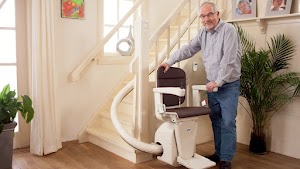
We have been working with Ohana Stairlift for several years. We originally had a lift installed for a family member with a severe brain injury who is wheelchair-bound. The staff has always been courteous and kind, and Patrick — who appears to be the primary technician servicing these lifts — consistently does his best to come out and repair the system as quickly as possible.
However, the stairlift itself has been an ongoing failure from the beginning. The lift regularly malfunctions, often multiple times per month, and each failure seems to involve a different issue rather than a permanent solution. Over the years, we have been instructed to install new dedicated outlets, manually crank the lift despite visible sparking, and even open electrical panels and use a key or flathead screwdriver to attempt to reengage the system ourselves. At one point, we were explicitly warned that we “could get electrocuted” while attempting these steps.
This is not safe. It is not sustainable. And it is completely unacceptable for a household with disabled family members who rely on this equipment for basic mobility and emergency evacuation.
At this point, not one but TWO family members in our home are wheelchair-bound and currently trapped upstairs during a holiday weekend because the lift has failed yet again. We were told no one could come until Tuesday. What happens in the event of a fire, medical emergency, or urgent evacuation? We have already experienced multiple emergency situations following severe flooding on the North Shore that required immediate evacuation of our home.
This situation goes far beyond inconvenience — it is a serious safety and accessibility issue.
To be clear, our frustration is not directed at Patrick personally. He has always been kind, responsive, and appears to be doing the best he can with the resources available. The owner of the company has also been pleasant to work with. But kindness alone does not solve a critical mobility and safety crisis. These recurring repairs feel like temporary band-aids rather than meaningful solutions.
For years we have asked about replacement options or alternative systems, yet no long-term resolution has been offered. Instead, we continue to be instructed to “Jerry-rig” ways to get family members downstairs when the lift fails. After four years of ongoing issues, we are finally writing this review because the situation has become untenable.
A malfunctioning wheelchair lift should be treated as an urgent priority — not as a courtesy repair visit when convenient.
We sincerely hope a real solution can be found soon, and if one is, we would gladly update this review to reflect that. But at this time, we are deeply disappointed by the lack of urgency and accountability surrounding disability accessibility and mobility care on Oahu. Patients and families who depend on this equipment deserve far better.